
Daily mindfulness practices for stress relief beginners
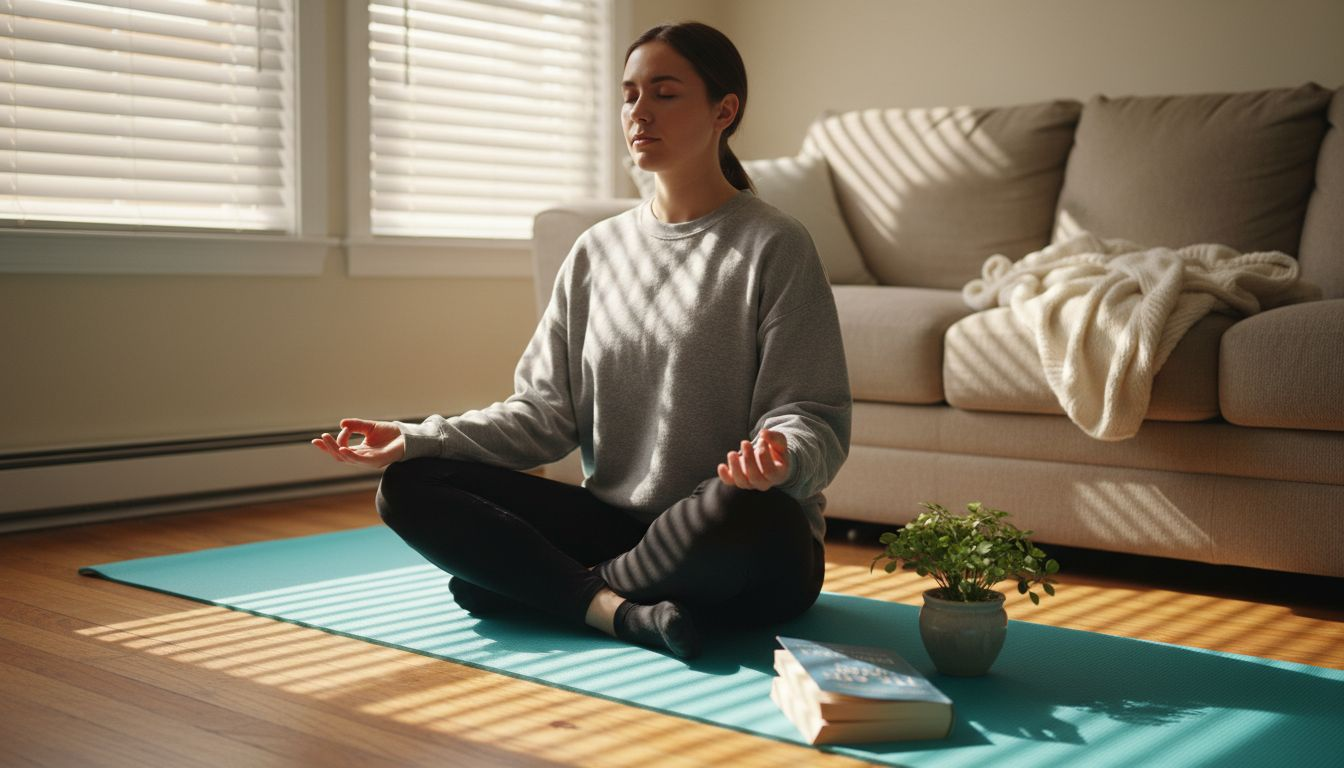
Finding an effective mindfulness routine can feel overwhelming when you’re just starting out. Many beginners struggle to identify accessible techniques that fit busy schedules and deliver meaningful stress relief without demanding hours of practice. This guide provides clear selection criteria and practical beginner options to help you choose daily mindfulness practices that enhance emotional well-being, reduce anxiety, and support personal growth through simple, evidence-based methods you can start today.
Table of Contents
How To Choose Your Daily Mindfulness Practice: Key Selection Criteria
Popular Beginner Mindfulness Practices: Meditation And Breathwork
Mindfulness Practices Involving Energy Work: Chakras And Flow States
Journaling And Integration Practices For Sustaining Mindfulness
Technological Enhancements: Ai And Digital Tools For Mindfulness
Comparing Mindfulness Practices: Strengths, Weaknesses, And Use Cases
Situational Recommendations: Choosing The Best Practice For Your Personal Growth
Key takeaways
Point | Details |
Selection criteria matter | Evaluate practices by time commitment, beginner-friendliness, personal goals, and integration tools to sustain consistency. |
Short sessions work | Beginner practices like 5-15 minute meditation and breathwork effectively reduce stress and improve focus. |
Energy work deepens practice | Chakra meditation and sound frequencies enhance mind-body connection and facilitate flow state access. |
Journaling embeds insights | Combining meditation with daily journaling supports emotional resilience and habit formation. |
Community boosts adherence | Group mindfulness provides social support and matches cognitive behavioral therapy for anxiety reduction. |
How to choose your daily mindfulness practice: key selection criteria
Selecting the right mindfulness technique starts with understanding your unique needs and lifestyle constraints. Using criteria like duration and personal goals helps beginners sustain practice without feeling overwhelmed or losing motivation.
Consider these essential factors when evaluating mindfulness options:
Time commitment: Aim for 5-15 minute sessions initially to build consistency without disrupting your daily routine.
Beginner-friendliness: Prioritize simple techniques with clear instructions that don’t require prior meditation experience.
Personal goals: Match practices to your objectives whether stress relief, emotional healing, flow state access, or energy alignment.
Guidance format: Decide between guided audio sessions or self-directed practice based on your motivation level and learning style.
Integration tools: Look for practices that pair meditation with journaling, sound frequencies, or visualization to deepen results.
Accessibility: Choose methods requiring minimal equipment or special environments so you can practice anywhere.
Pro Tip: Start with guided sessions for your first 30 days to build confidence and understanding before transitioning to self-led practice.
Aligning your practice selection with these criteria creates a sustainable foundation for mindfulness meditation stress reduction that fits naturally into your life. The goal is consistency over perfection, so choose techniques you’ll actually use rather than ones that sound impressive but feel impractical.
Popular beginner mindfulness practices: meditation and breathwork
With your selection framework established, explore these accessible mindfulness methods proven to deliver results for newcomers. Each practice offers unique benefits while requiring minimal time investment and no special equipment.
Mindfulness meditation forms the foundation of many practices by training attention on breath and present moment awareness. Practicing mindfulness meditation for 10-15 minutes daily improves focus, reduces anxiety, and enhances emotional regulation particularly for beginners building their first routine.
Breath awareness techniques offer the shortest entry point at just 5-10 minutes per session. Focus solely on observing your natural breathing rhythm without trying to control it. This simple practice calms the nervous system rapidly and provides immediate stress relief during challenging moments throughout your day.
SKY Breath meditation combines rhythmic breathing patterns with awareness to reduce cortisol levels and improve mood. The structured nature makes it ideal for beginners who prefer clear, step-by-step guidance over open-ended meditation styles.
Guided loving-kindness meditation builds emotional resilience by directing compassionate wishes toward yourself and others. Start with 10 minutes focusing on phrases like “May I be peaceful” before extending kindness outward to loved ones and eventually all beings.
Body scan meditation systematically moves attention through each body part from toes to head, releasing tension and developing mind-body awareness. This 15-minute practice works especially well before bed to promote restful sleep.

Mindful walking transforms daily movement into meditation by focusing on each step’s physical sensations, breath rhythm, and surrounding environment. Perfect for active individuals who find seated meditation challenging or restless.
These meditation practices for beginners require no financial investment beyond optional guided audio and deliver measurable improvements in stress, focus, and emotional balance within weeks. Choose one technique to master before adding variety to your daily mindfulness for stress relief routine.
Mindfulness practices involving energy work: chakras and flow states
Beyond attention-focused meditation, energy-based practices add another dimension by working directly with your body’s energetic system. These techniques enhance mind-body connection while facilitating access to flow states characterized by effortless focus and peak performance.
Chakra meditation directs awareness to seven energy centers along your spine from root to crown. Visualize each chakra as a spinning wheel of colored light while observing sensations, blockages, or openness in these areas. This 15-20 minute practice balances your energetic body and reveals where emotional or physical tension accumulates.
Sound frequency meditation uses specific tones and vibrations to influence brainwave states and energy field alignment. Binaural beats, singing bowls, or tuning forks create resonance that deepens meditation while supporting chakra activation. Many practitioners report enhanced visualization clarity and faster entry into meditative states when incorporating sound.
Visualization and energy sensing techniques train you to perceive and direct subtle energy within and around your body. Start by imagining warm light flowing through your hands or visualizing roots extending from your feet into the earth. These skills strengthen intuition and deepen your connection to internal guidance.
Flow state practices combine energy awareness with meditation to access sustained periods of optimal performance. By aligning your energetic field through breathwork and visualization before focused activity, you create conditions for effortless concentration and creativity. Athletes, artists, and professionals use these methods to enhance productivity and satisfaction.
Energy-focused mindfulness differs from pure attention training by explicitly working with the felt sense of your energetic body rather than just observing thoughts and breath. This approach particularly appeals to individuals seeking deeper spiritual experiences, enhanced intuition, or understanding of mindfulness and flow benefits beyond basic stress reduction.
Start with simple chakra awareness before progressing to advanced energy manipulation techniques. Patience matters since energy sensitivity develops gradually through consistent practice over weeks or months.
Journaling and integration practices for sustaining mindfulness
Meditation creates insights and shifts in awareness, but journaling captures and embeds these experiences into lasting change. Combining journaling with mindfulness practices enhances self-awareness and integrates meditation insights more effectively than meditation alone.
Daily reflective prompts structure your journaling practice around specific themes that deepen mindfulness benefits:
Gratitude prompts: List three specific things you appreciated today and why they mattered to your wellbeing.
Self-compassion questions: Explore how you treated yourself during challenges and what kinder responses you might choose next time.
Awareness observations: Note moments when you were fully present versus when your mind wandered to past or future.
Emotional check-ins: Identify feelings that arose during meditation and what physical sensations accompanied them.
Intention setting: Clarify how you want to show up tomorrow based on today’s insights.
Themed monthly cycles prevent journaling from becoming repetitive or stale. Rotate focus between emotional healing, energy awareness, gratitude, personal growth goals, and relationship patterns. This variety keeps the practice engaging while addressing different dimensions of your inner world.
Integration exercises bridge meditation and daily life through specific writing practices. After each meditation session, spend 3-5 minutes noting key insights, sensations, or shifts you experienced. Review these notes weekly to identify patterns and track your progress over time.
Pro Tip: Journal immediately after meditation while insights remain fresh and vivid rather than waiting until evening when details fade.
Explore structured approaches through this intuitive journaling guide or review mindful journaling examples to spark your writing practice. The combination of meditation and journaling creates a complete mindfulness system that transforms temporary calm into permanent emotional resilience.
Technological enhancements: AI and digital tools for mindfulness
Modern technology partners with traditional mindfulness to personalize practice and increase engagement through real-time feedback and adaptive guidance. AI-driven meditation apps offering personalized feedback increase engagement significantly, helping novices maintain consistent routines.
AI-powered meditation platforms analyze your practice patterns, mood inputs, and progress to recommend optimal session types, durations, and techniques. These apps adjust difficulty gradually and celebrate milestones to sustain motivation through early challenges when many beginners quit.
Smart features that enhance practice include:
Progress tracking: Visual dashboards display streak counts, total minutes practiced, and mood trends over weeks and months.
Adaptive reminders: Intelligent notifications learn your schedule and suggest practice times when you’re most likely to follow through.
Biometric integration: Heart rate variability monitoring provides objective feedback on stress reduction and relaxation depth during sessions.
Community features: Virtual sanghas connect you with fellow practitioners for accountability and shared experiences.
Customizable sessions: Adjust voice, music, duration, and guidance density to match your preferences as they evolve.
Balance technology use with screen-free authentic mindfulness to avoid digital dependency. Use apps as training wheels initially while developing the discipline and understanding to practice independently. The goal remains developing inner awareness, not becoming reliant on external devices for peace.
Tech-savvy beginners often find digital tools lower the barrier to starting while structured guidance prevents common beginner mistakes. Explore daily meditation routine guide resources to build habits that eventually transcend app dependence.
Social and community mindfulness practices
While meditation often feels like solitary work, communal practice amplifies benefits through social support, shared energy, and collective accountability. Group-based mindfulness therapy is as effective as individual cognitive behavioral therapy for reducing social anxiety, demonstrating the power of practicing together.
Group mindfulness formats include:
Weekly in-person sessions: Local meditation centers and yoga studios offer beginner-friendly group sits with brief teachings and shared silent practice.
Virtual meditation circles: Online communities gather via video for guided sessions, discussion, and mutual encouragement across geographic boundaries.
Mindfulness workshops: Intensive half-day or weekend retreats teach multiple techniques while building community among participants.
Accountability partnerships: Pair with a friend to practice simultaneously remotely and check in daily about consistency and experiences.
Benefits of community practice extend beyond the meditation cushion. Hearing others share struggles and breakthroughs normalizes your own challenges while providing practical tips you might not discover alone. The commitment to show up for others strengthens personal discipline even when motivation wanes.
Explore different group mindfulness formats to discover which environment best supports your practice. Some individuals thrive with regular in-person connection while others prefer the flexibility and anonymity of virtual gatherings.
Social support significantly enhances mindfulness adherence and emotional well-being.
Community engagement complements rather than replaces personal practice. Use group sessions to maintain momentum, learn new techniques, and experience the amplified energy of collective meditation while preserving daily solo practice as your foundation.
Comparing mindfulness practices: strengths, weaknesses, and use cases
Understanding how different techniques compare helps you select practices aligned with your goals, schedule, and preferences. This overview clarifies which methods work best for specific situations and personal growth objectives.
Practice | Duration | Complexity | Primary Benefits | Best Use Case |
Mindfulness meditation | 10-15 min | Low | Stress relief, present awareness | Building consistent foundation |
Breath awareness | 5-10 min | Very low | Anxiety reduction, quick calm | Busy schedules, acute stress |
Loving-kindness | 10-15 min | Low | Emotional healing, compassion | Relationship challenges, self-criticism |
Chakra meditation | 15-20 min | Moderate | Energy alignment, intuition | Deeper spiritual exploration |
Body scan | 15-20 min | Low | Physical relaxation, sleep prep | Evening routine, tension release |
Journaling | 5-10 min | Low | Integration, self-awareness | Post-meditation reflection |
AI-guided apps | 10-15 min | Low | Personalization, accountability | Tech-savvy beginners |
Group sessions | 30-60 min | Low | Social support, motivation | Weekly structure, community connection |
Key selection insights:
Choose breath awareness or mindful walking when time is extremely limited but you need immediate stress relief.
Select loving-kindness or journaling when emotional healing takes priority over pure relaxation.
Opt for chakra or energy practices when seeking mind-body integration and flow state access beyond basic mindfulness.
Use AI apps when you need structure, reminders, and feedback to establish initial habits.
Join group sessions when social connection and accountability matter more than scheduling flexibility.
Compare mindfulness meditation approaches and explore mindfulness vs flow distinctions to understand which practices align with your current development stage. Your needs will evolve, so remain open to adjusting your practice mix as you progress.
Situational recommendations: choosing the best practice for your personal growth
Apply comparison insights to your specific situation with these targeted suggestions addressing common beginner circumstances and goals.
Busy professionals with limited time: Start with 5-10 minute breath awareness sessions during lunch breaks or commute transitions. Add mindful walking when moving between meetings to maintain practice consistency without dedicated meditation time.
Individuals seeking emotional healing: Combine 10-minute guided loving-kindness meditation with 5-minute journaling focusing on self-compassion prompts. This pairing addresses emotional wounds while building resilience through regular reflection.
Practitioners interested in energy work: Begin with 15-minute chakra meditation using sound frequencies to enhance energy awareness. Progress to visualization techniques as sensitivity develops over several weeks.
Tech-oriented learners: Download an AI-driven meditation app offering personalized sessions and progress tracking. Use biometric integration if available to see objective stress reduction results that motivate continued practice.
Community-minded individuals: Join weekly group meditation sessions either locally or virtually while maintaining shorter daily solo practice. The combination provides social support without complete dependence on others for consistency.
Review your daily meditation routine quarterly to assess what’s working and adjust techniques as your skills and interests evolve. Starting simple and building gradually prevents overwhelm while establishing habits that last years rather than weeks.
Discover guided daily mindfulness with awaken flow mastery
Ready to transform these concepts into consistent practice? Awaken Flow Mastery offers step-by-step guided meditations specifically designed for beginners navigating their first mindfulness journey. The structured 30-day program combines meditation, energy work, and intuitive journaling to build sustainable habits while accessing deeper flow states.
Join the Awaken Flow Mastery challenge to connect with fellow practitioners working toward similar personal growth goals. The community support and daily guidance eliminate common beginner obstacles like unclear instructions, lost motivation, and uncertainty about progress.
Explore specialized resources like the reconnect higher self meditation to deepen your energetic alignment and spiritual awareness beyond basic stress relief techniques. These tools complement your daily practice, offering fresh approaches when your routine needs renewed inspiration.
FAQ
What length of mindfulness practice is ideal for beginners?
Beginners should start with 5-15 minute daily sessions to build consistency without feeling overwhelmed by time demands. Shorter sessions practiced regularly prove more effective than occasional longer meditations because they establish neural pathways and habits through repetition. As your practice matures over weeks, gradually extend duration based on natural interest rather than forcing longer sits prematurely. Quality of attention matters far more than quantity of minutes, so prioritize present awareness during brief sessions over distracted longer ones.
How do journaling and meditation complement each other in mindfulness?
Journaling captures fleeting insights from meditation that otherwise fade quickly from memory, transforming temporary calm into lasting self-awareness and behavioral change. Writing immediately after meditation embeds the experience emotionally and cognitively, strengthening neural connections formed during practice. Daily prompts maintain mindfulness momentum between formal sessions by directing attention to present moment experiences, emotional patterns, and personal growth throughout your day. This combination creates a complete system where meditation generates insights and journaling integrates them into your evolving understanding and daily choices.
Can technology help me stick to a daily mindfulness routine?
AI-powered meditation apps significantly improve practice adherence by providing personalized feedback, adaptive reminders, and progress visualization that sustain motivation through early challenges. These platforms learn your patterns and preferences, recommending optimal session times and techniques that match your schedule and goals. However, balance app use with regular screen-free mindfulness to maintain genuine presence and avoid developing digital dependency for inner peace. Use technology as helpful scaffolding while building the discipline and understanding to practice independently, treating apps as training tools rather than permanent requirements for your mindfulness journey.
What mindfulness practices are best for energy alignment and flow states?
Chakra meditation, sound frequency visualization, and energy sensing techniques specifically target your energetic body to promote alignment and facilitate flow state access. These practices differ from attention-only methods by working directly with subtle energy through focused awareness on energy centers, intentional breathwork patterns, and visualization of energy movement. Regular energy work strengthens mind-body harmony, enhances intuitive perception, and creates optimal conditions for sustained periods of effortless focus characteristic of flow experiences. Combine energy practices with traditional mindfulness meditation to develop both concentration skills and energetic sensitivity, creating a comprehensive approach that supports peak performance and spiritual growth simultaneously.
Recommended

Comments